ABOUT US
What We Do
Beyond Woodwork & Craft PBO addresses multi-dimensional livelihood and resilience challenges through four main programmatic pillars
01
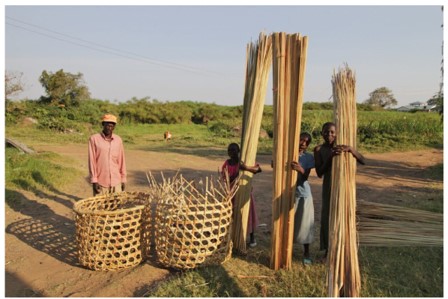
Green Enterprise & Vocational Skills Development
02
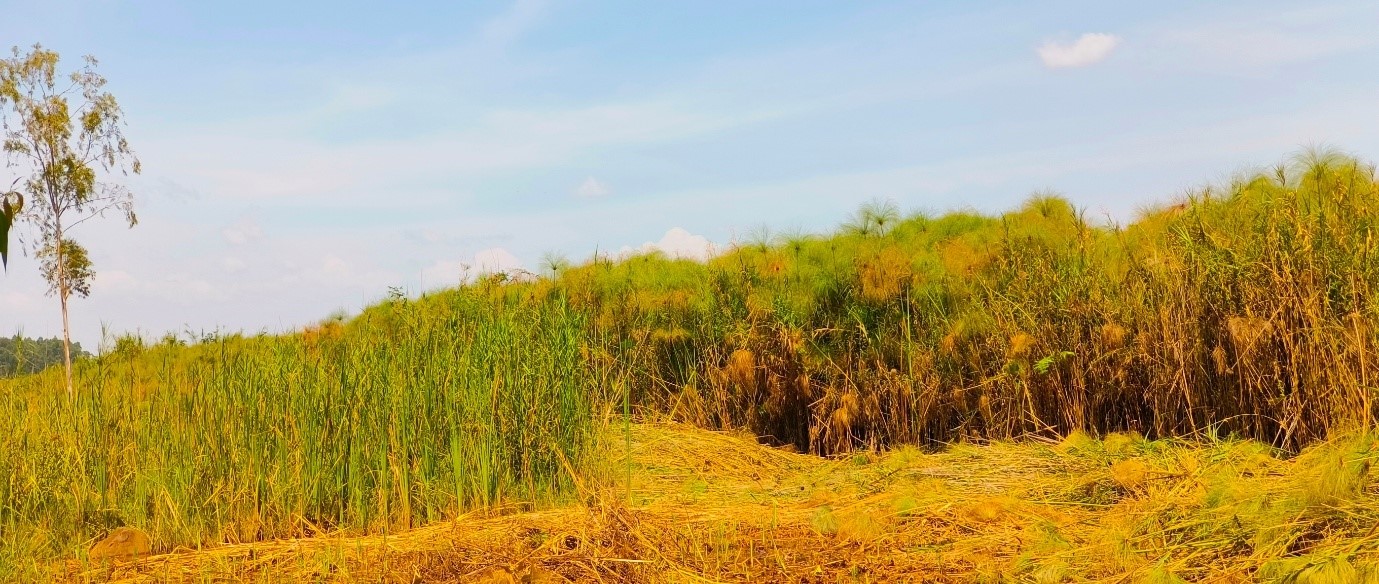
Environmental Restoration & Nature-Based Solutions
03
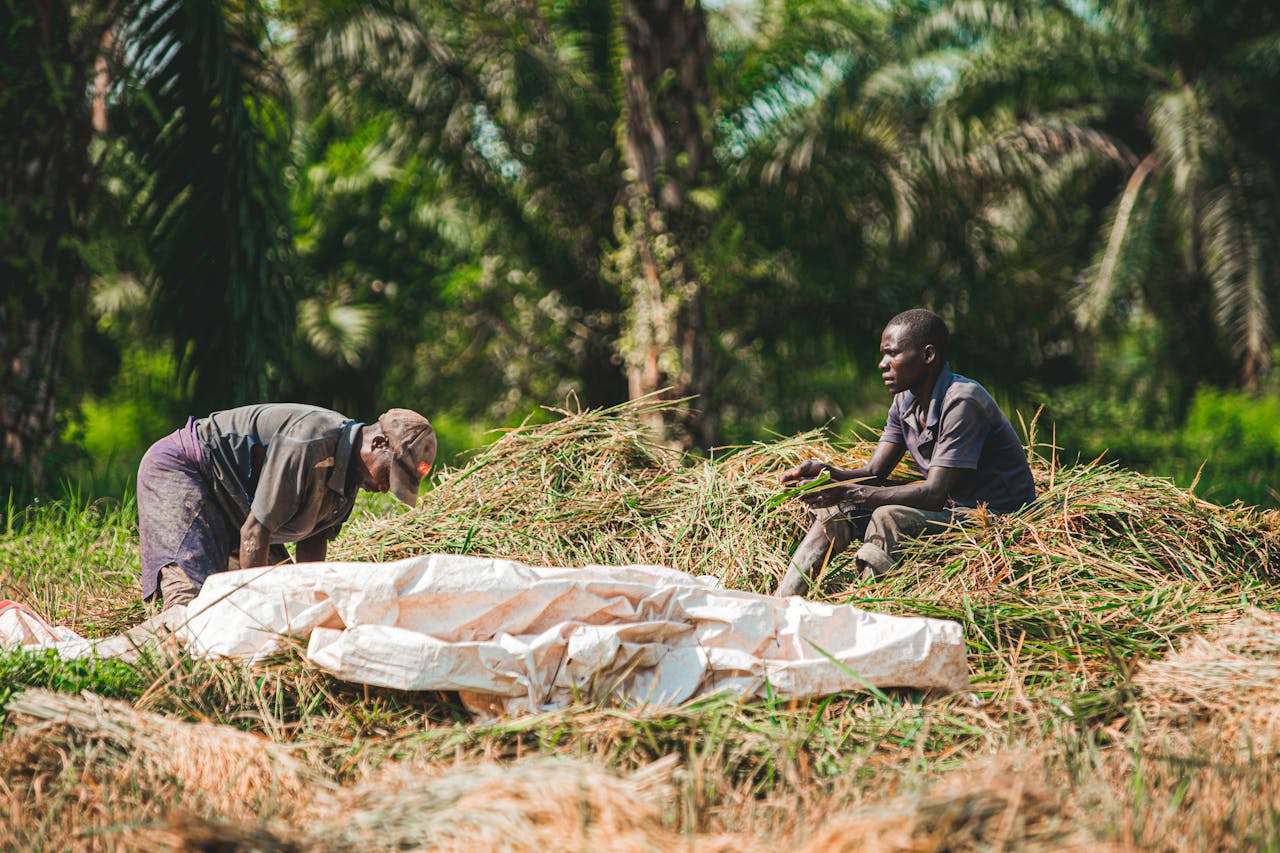
Entrepreneurship, Financial Literacy & Cooperative Development
04
Social Inclusion, Safeguarding & Community Empowerment
Why Choose Beyond Woodwork & Craft Foundation for Empowerment?
Our unique approach is rooted in community engagement and sustainability, ensuring that every initiative is designed for lasting impact and growth.
Community-Rooted, Enterprise-Anchored Model
Technical Experience in Green Products & Craftsmanship
Proven Ability to Blend Social and Environmental Outcomes
Strong Partnerships and Local Networks
Scalable and Replicable Models
Commitment to Accountability and Learning
Our Strategic Alignment with Donor & Development Priorities

The Manga–Karadolo papyrus programme, implemented by Beyond Woodwork & Craft PBO, is strongly aligned with the following.
1. Climate Resilience & Nature-Based Solutions (NBS)
Restoring wetlands, improving hydrological balance, and reducing flood risks through community-led, nature-based approaches.
2. Green & Circular Economy
Transforming papyrus from an uncontrolled wetland plant into a renewable raw material for crafts, briquettes, and other products, thus supporting circular production systems and low-carbon livelihoods.
3. Youth & Women Economic Empowerment
Creating structured, skill-based pathways into dignified green jobs and microenterprises for young people and women, with deliberate inclusion of marginalized and vulnerable groups.
4. Food Security & Climate-Smart Agriculture
Rehabilitating farmland, promoting climate-smart crops, and enhancing household food production in communities affected by wetland over-expansion and climate variability.
5. Community Governance & Local Systems Strengthening
Establishing and supporting local structures such as Wetland Stewardship Committees, community by-laws, and multi-stakeholder platforms that integrate county government, NEMA, and community organizations.
6. Sustainable Development Goals (SDGs)
These SGDs include,
- 1 (No Poverty),
- 2 (Zero Hunger),
- 6 (Clean Water),
- 8 (Decent Work),
- 13 (Climate Action),
- 15 (Life on Land/Water).
Join Our Mission Today
Become a part of our journey to empower vulnerable communities and support sustainable development initiatives. Your contribution makes a difference!